Core
Life can teach you some things if you pay attention. This seems especially true during periods of change. And NOTHING recently has caused more of a global shake-up than the Covid-19 pandemic. In that shake-up though, I learned a lot and gained some wisdom worth sharing. Naturally, these insights are mostly focused on fitness which shouldn’t come as a surprise. The bigger picture ideas however, can still be applied universally.
Here’s 5 things I learned from quarantine
Not having access to a fitness facility was a real limitation for a lot of people during lockdown.
As a thought experiment, I decided to treat myself as though I had restricted access too. (I had full access but I wanted to see something). I acquired a pullup bar, some bands , and even made a makeshift sand bag. With this basic set up I did the bulk of my strength training. During this time I made solid improvements while also boosting my resilience, running ability, and athleticism. You can say I made out pretty well.
What I also realized was that the exact exercise and equipment didn’t matter as long as it was the right movement for the desired effect. That in turn made me dig deeper into my tool box and get more creative.
With a little imagination and resourcefulness, it’s very possible to do effective workouts. Even with a minimalist set up. Before gyms existed, this approach was likely the default. And Im willing to bet there were still plenty of strong people who just used what they had. What still reigns true today is that an over reliance on the gym can be a major impediment should a pandemic happen to strike.
When you put a lot of work in to get to a certain level physically, it makes sense to view maintenance as an equally high effort endeavor. But it actually requires less effort than people think. And that’s good news for those concerned with losing gains and getting weaker. There’s value in being on cruise control from time to time. And in a pandemic, where stress may be up, it helps if your fitness doesn’t come with a crazy demand or an obnoxious time cost.
The world doesn’t end if extra weight isn’t being slapped on the bar every week. Maintaining what you have is still a useful approach that doesn’t rely as heavily on facilities you might not have access to. That was my experience. Admittedly, my understanding of strength and conditioning principles may have made this path easier to find. But the point to grasp is that it’s perfectly fine to take the focus off number chasing and channel it towards other aspects of fitness and well-being.
The irony about home workouts is that even with convenience accounted for, a push may still be required to get it done. I’d be lying if I said that I, the coach and trainer, looked forward to every single quarantine workout. What I found though is that routine and schedule are often better “motivators” than actually feeling in the mood. For many, keeping schedule and remaining on task is enough of a nudge to “clock in” and get the work done.
We can define motivation as the reasons and desires that push people to act in particular ways. The problem is that most times, the enthusiasm associated with said motivation is fleeting. It’s usually a goal, or goal oriented behavior, that harnesses that spark and gives it meaning.
However you choose to go about getting things done, deliberate action beats waiting for artificial energy to fall from the sky. Especially when that energy itself is known to evaporate quickly.
Things that are enjoyable take less motivation to do. Plain and simple.
For me, having a collection of activity based hobbies kept me moving and sweating often. Outdoor fun included lots of bike rides, and even time working on my jumpshot. As the virtual world opened up, so did opportunities to try different things and rekindle old hobbies like salsa and boxing. What I got was an amalgamation of fun activities that all served to keep me fit.
Your recreational preferences might be different from mine. But if you have a part time hobby that involves movement, you’re a lot more likely to be physically active and forget you’re even exercising.
All of us think, feel, and adapt. Yet nothing throws a monkey wrench into a situation like adversity and major uncertainty.
For me there were definitely moments of great introspection and corralling of spirt that had to take place in response to being shut down. Winning the battle in the mind was crucial for turning a non-ideal situation into something good.
As a professional in an industry that was hit hard with gym shut downs, the need to pivot business wasn’t just unique to me. The triumph however, was in regrouping, improving, and finding alternative ways to help people. Being forced to think on your feet has a way of helping you find opportunities for success.
Within my own mind, the tenets I latched onto the most were the importance of purpose, strength in community, and the destructive nature of fear and worry. Those things alone could’ve been their own post but I believe they all came together nicely under the mindset umbrella.
With stressful circumstances it’s important to shine some light and attempt to find the good in the situation. That glass-half-full filter, combined with my experience, is how this piece came together. I speak from the perspective of a fitness professional, coach, and the many other identities that influence my outlook. But if you strip away some of the details and look closer, you’ll find that you may have learned some of these same things too.
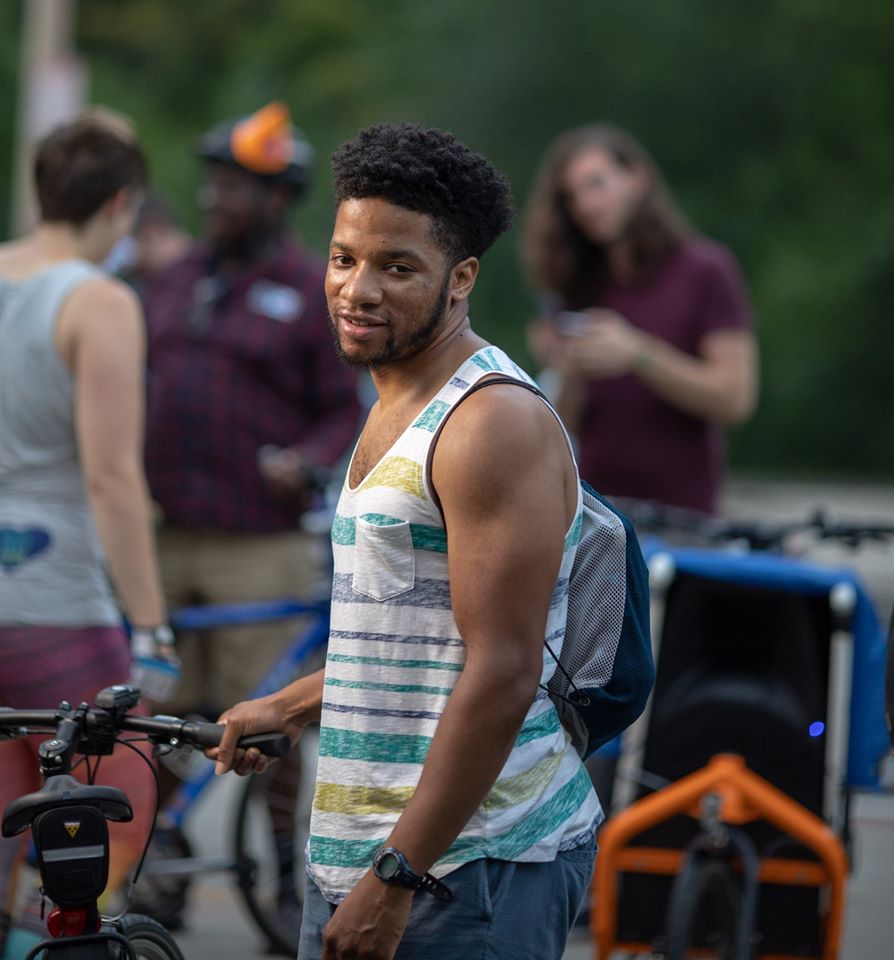
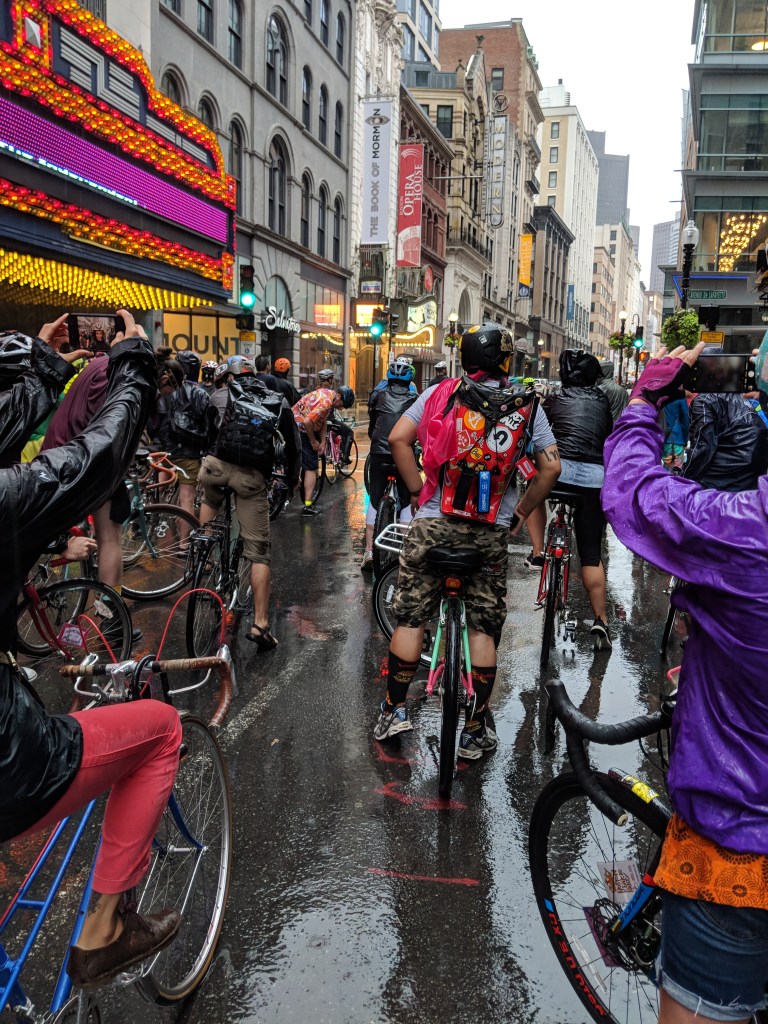
In another interesting plot twist to the current state of affairs we see lots of people resorting to the first alternative mode of transportation they learned to use. The bike. I must say this is one of the better outcomes. I’m completely here for more people taking up cycling. So as we welcome an influx of bikers I figured I’d share some insights that’ll help you get the most out of your bike.
Ive broken it up into sections that cover all the major keys to having the bike experience.
This is probably one of the most neglected things. I see so much bike abuse from people who think their bike is something that they just ride until it falls apart. But a bike can easily last 10+ years if you take care of it. I’ll just outline a few of the basics that’ll help extend the life of your bike especially if you ride a lot. All things that are very doable.
Think of your chain as the lifeline of your bike. It connects big rings being turned by the pedals in front to the rear cogs that attach to your back wheel. This ultimately moves the bike and does so thousands and thousands of times. As you can imagine, this constant metal on metal contact between these surfaces will wear away at the parts. A strong lubricated chain will keep this transfer smooth while a worn out rusted chain will reek havoc on the rest of the components and make riding clunky, rough, harder to handle. Below is a simple video on how to lube your chain to keep your bike running smoothly.
When you ride, dirt and grime get picked up off the road and can lodge itself into the nooks and crannies of your bike. Every now and then its good just to clean it up. A clean bike just looks and feels better to ride. A simple hose and scrub down or doing routine wipe downs can make the difference in keeping your bike looking like it did the day you got it. Not to mention it will last longer.
This should be pretty obvious. Its the best way to keep the rust off and protect from ever-changing weather. Especially here in New England. And of course there is security. Bike thieves do exist and you can help by storing your bike indoors when possible to remove the treat.
If you’ve ever had a flat, then you know just how demoralizing and annoying it is. One preventative measure you can take is to keep your tires inflated with enough air. Underinflated tires may feel fine but they put you at greater risks for flats. As a simple rule of thumb you want to inflate until they’re firm with very little give when squeezed. The best recommended practice would be to inflate them to the pressure specified on the side wall of the tire. Its also a good idea to keep a patch kit handy and learn how to fix a flat tire.
Develop a relationship with a local bike shop and pay them to tune your bike up every now and then. They are trained experts and can often times let you know how your bike is doing and will be willing to answer any questions you have. And on top of that, you’re going to need to buy your bike accessories from somewhere and its better to support local business if doing so.
A lot of this will depend on where you ride as some places are just more bike friendlier than others. Understandably, having a bunch of cars moving around you can be nerve wrecking. So you may wanna ease into it if you’re going to do that. My advice would be to avoid rush hour initially and try to find streets and paths that have bike lanes (preferably protected) and are a little more bike friendly. Over time you will develop confidence and be unbothered by the presence of cars. Also, just having common sense is always a good idea.
You should follow general the rules of the road. However, there are exceptions where you should think as a bike and not a motorist. At the very least, make sure you’re traveling in the same direction as the traffic. Going against the grain is ill-advised and there’s no need to play chicken with cyclists and vehicles traveling in the correct direction. Also, sidewalks are for pedestrians. Please don’t terrorize them by riding on it (I used to be guilty before i changed my ways).
Or better yet, don’t be dumb. Its just as much your right to ride in the traffic lane as it is the cars. But also recognize that there are those that feel you shouldn’t be on the road with them and be mindful. And accidents happen fast so its good to try and stay a couple steps ahead while you’re riding to reduce the chances.
Make sure you are seen when riding. If you ride at night, make sure you have lights and reflective gear.
Better safe than sorry. Admittedly I don’t always wear one but its still a good just in case measure to take.
Ride it, learn it, become one with it. Learn what it likes and what it doesn’t like. See how fast you can go, find if you like certain gear combos, etc. Just get comfortable with it.
Make sure you get your handling, steering, stopping and starting skills right as that will allow you to effortlessly maneuver thru a variety of scenarios. Get good at pedaling in and out the saddle.
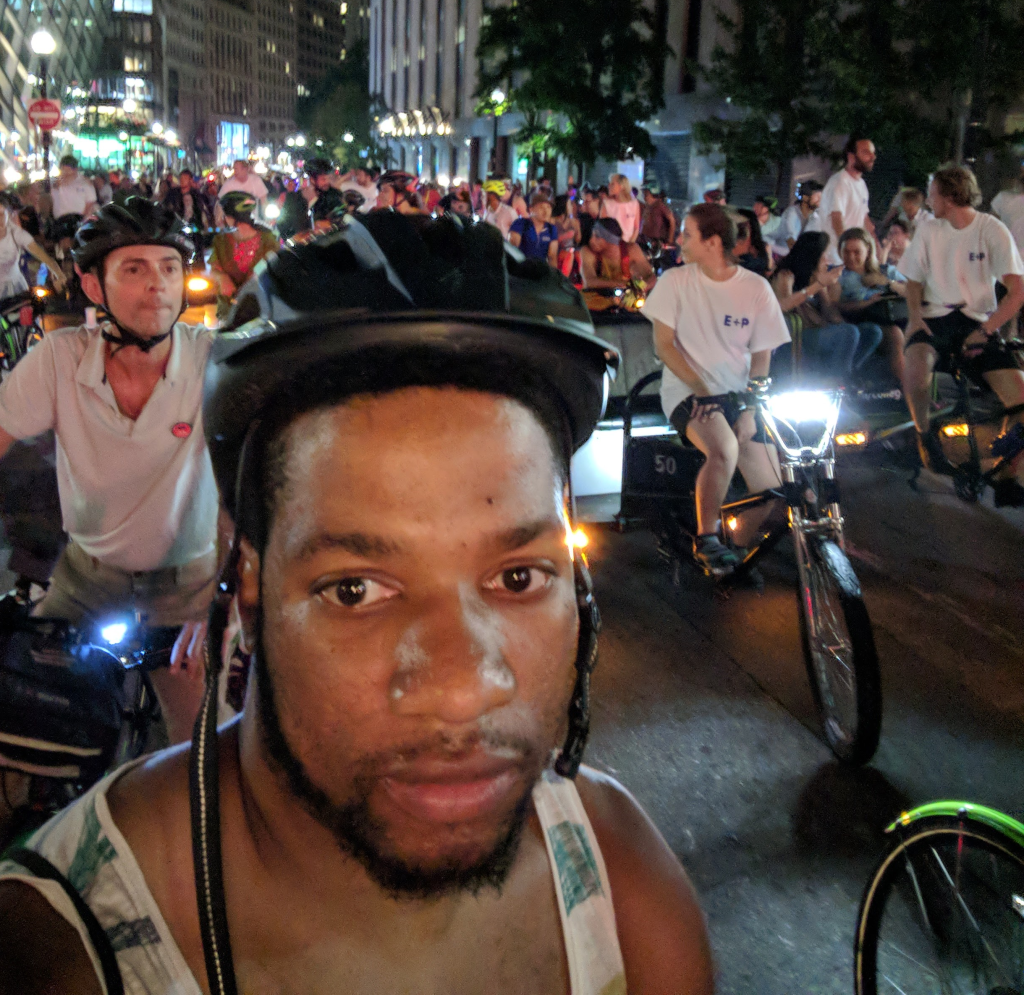
This is one of my favorite things to do on a bike. And it was my common excuse for leaving the house on 2 wheels as a kid. It may mean finding a nice path or scenic route to ride. It could even mean finding alternative routes to and from your regular destinations. All of this helps add to the fun component and keep your rides from getting boring. It’s also a great for when you’re traveling.
Whats better than going on a ride? Going on a ride with friends. Even making new friends in the process. Not only will it be fun cause you’re with friends but it’ll also make the miles go quicker.
That’s all I got for you today. Whether you’re new to biking or been doing it for a while, I hope this helps you get as much as possible from your biking experience.
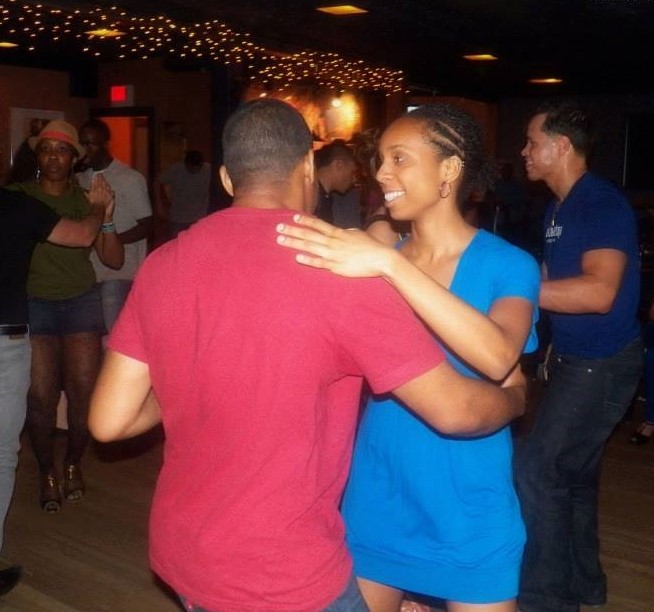
I often refer to myself as a man of many interests. I know that’s quite the interesting title to claim, but its true. I am. Whats even more interesting though is the journey that led me there and taught me many things along the way. With this piece I’ll highlight my adventure into salsa dancing and reveal some of the cool gems I’ve picked up throughout the whole process.
How it All Started
Shortly after graduating from college, reality hit me that I was a full-blown adult and completely immersed in the workforce. There was no going back to the student life. This WAS my new life.
Work began to occupy a larger chunk of my life, and although I enjoyed training people, I felt the need to explore other pastimes besides just working, training, and weekend festivities.
And thus my quest began. After attending a Latin night and not being able to dance as well as I wanted to, I set my sights on salsa dancing as a new skill to master. Now I’m currently not a master by any means. Maybe an intermediate at best. But the journey towards mastery has been incredibly educational. And in addition to helping a woman look great on the dance floor, I also drew a few broader insights that I’ll share with you.
They actually go hand in hand (no pun intended). In the case of my salsa dancing, I made leaps of improvement once I gained a better understanding of the music. Early on however, that connection was shaky. The basic salsa rhythm was different for me and took some getting used to. Couple that with a partner following my lead, and you can imagine how unimpressive my first few dances were. But as I practiced and listened to the music more, the rhythm started to become more natural. I went from having to count my steps, to being able to improvise. Eventually I unlocked the ability to really groove to the music which made it come alive for me.
Here’s why this matters. Gaining a deeper connection to the music helped sling-shot my skills forward. As I began to understand it more, I was better able to layer the dancing on top. This isn’t the only arena where we see ones level of comprehension show up as a performance enhancer. We see a similar link play out in some of the following scenarios:
In each of these scenarios, the superior level of mastery is tied to a deeper understanding of the subject/ task at hand. The learnee is able to find a context and better apply what they’ve learned.
As this epiphany unfolded in real time, it motivated me to dig deeper and expand my abilities in ways that even impressed some teachers.
People often overlook the value of understanding what you’re trying to get better at. And just like overthinking, this can be detrimental. However, the right amount of extra thinking may help the learning process. Building on top of that, salsa helped reveal some things about my own personal learning process. Which brings me to my next point…
Learning styles play a major role in skill acquisition whenever there is a student – instructor relationship. I think that’s a case that can build itself. People have unique ways that they process and learn things. I’ve witnessed this not just in dance, but in sport and classroom settings as well. And when two people are not on the same page, information can easily get lost in translation. Through my experience, I’ve found that I’m more of a visual and kinesthetic learner when it comes to picking up new skills. In other words, I like to see it done properly, walk through it, then do it until my body understands it. I’ve always done this intuitively but what made me more aware was how my experience in classes would differ depending on the instructor. It made a huge difference when I had instructors who would demonstrate movements while explaining, instead of solely relying on verbal cues.
Its funny how having even a slight awareness of learning style can improve outcomes. This goes for both the teacher and the student. I know this especially because I often find myself on the instructor side when training clients. I say with confidence that it’s helpful.
My way of learning may differ from the next person, but we can still aim to create enjoyable experiences by making accommodations.
And speaking of enjoyable experiences…
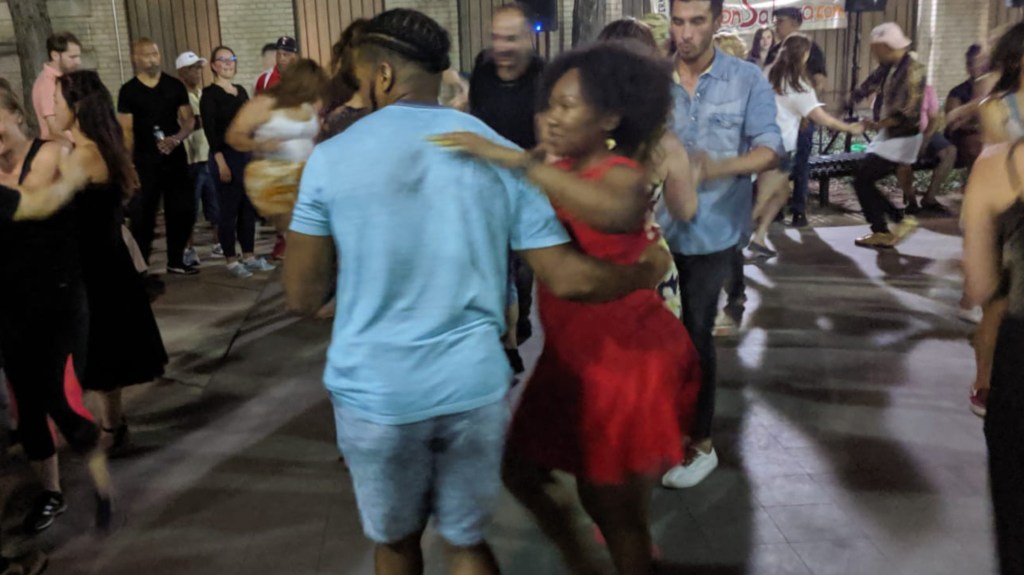
Finding hobbies that include physical activity can be hugely beneficial towards maintaining an active lifestyle without always relying on the gym. Sure the gym is great. But who wants to live a life of sets and reps. You’re just way more likely to do things you think are fun. I think many have become so fixated on the concept of exercise and training and fail to see the big picture. Now don’t get me wrong, I love training and mapping out strategies to achieve physical goals. I’m just weird like that. But whether or not you get a thrill from difficult physical tasks or not, making movement a regular thing is still one of the most important habits for staying healthy. For many, the key is to include things that don’t feel like exercise while doing it.
For me, Salsa dancing is a way to express myself, enjoy music, and connect to other happy humans in a fun way. Not to mention it burns calories. And I’m pretty sure it wins in the enjoyment category. The activity that fuels your fire might be different for you but the concept remains the same.
That concludes my 3 things I’ve learned from Salsa Dancing. But stay tuned if you want to see what else I’ve learned from my hobbies. Cheers to learning, applying, and getting better at things.
 Sumrell Strength